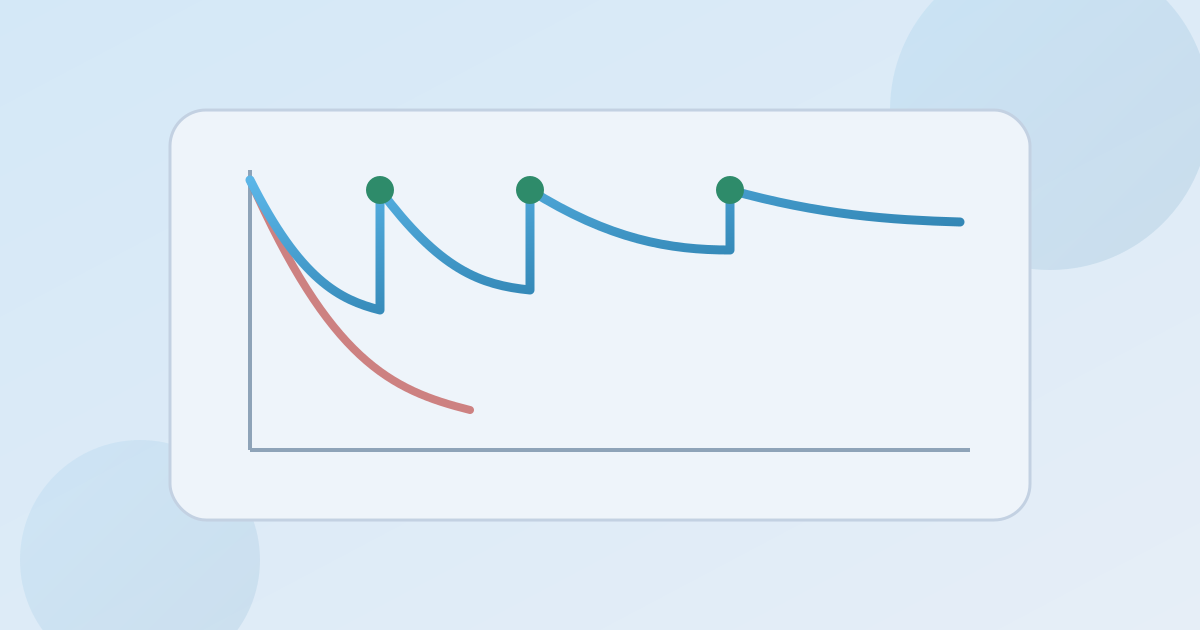
Telling theorists apart: the skill exams quietly test
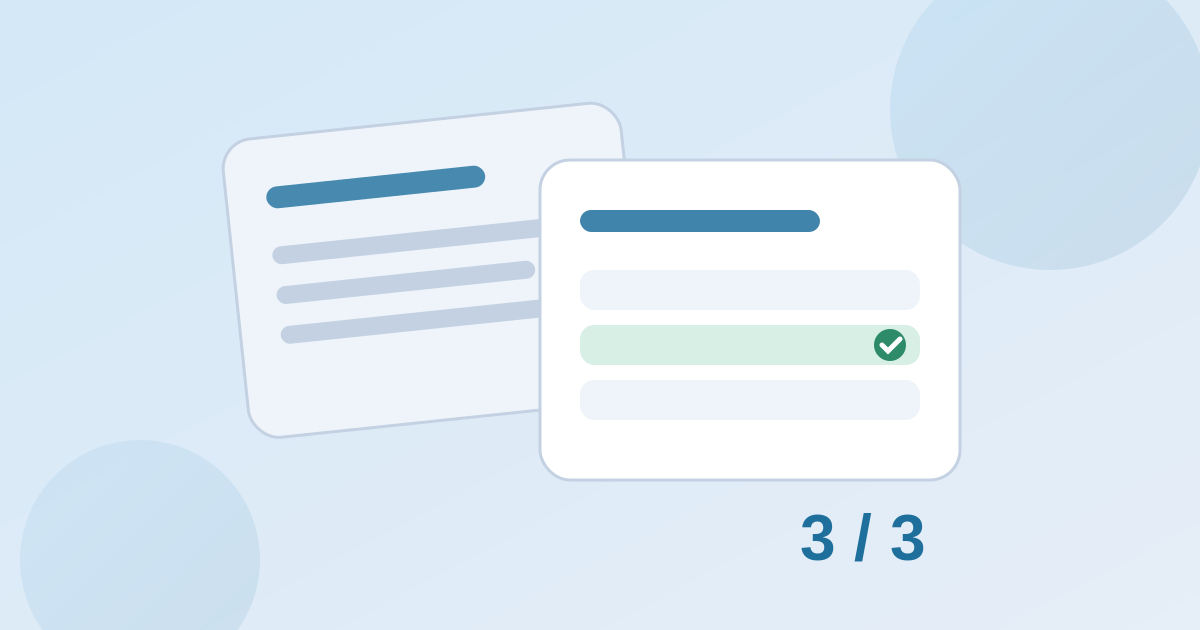
Ask a psychology student what went wrong in a multiple-choice paper and you will often hear: “I knew it, but I picked the other one.” The distractor was not random. It was a real idea, just from the wrong theorist.
Why look-alike ideas trip us up
Courses introduce scholars in clusters: Wundt and Titchener, Piaget and Vygotsky, Broadbent and Treisman. Their ideas overlap in vocabulary, so memory stores them close together. Under exam pressure, the nearest match wins, and it is not always the right one.
Three habits that help
- Compare on the same dimensions. For each cluster, make a small table: core idea, method, key terms, main criticism. Gaps in the table show what you do not yet know.
- Practise with deliberate distractors. Good revision questions borrow real concepts from neighbouring theorists. If you can reject them confidently, you understand the boundaries.
- Explain why the wrong answers are wrong. Saying “sub-vocal speech is Watson, not Wundt” fixes the boundary far better than re-reading Wundt alone.
Mastery before moving on
Revisor’s assessments are built this way. Each set of three questions uses distractors from other scholars in your own course, and you advance only after a perfect score. Every few scholars, it offers a comparison table that is saved to your revision notes.
Ready to revise smarter?
Revisor turns your own notes into guided quizzes, simple explanations and tagged revision.